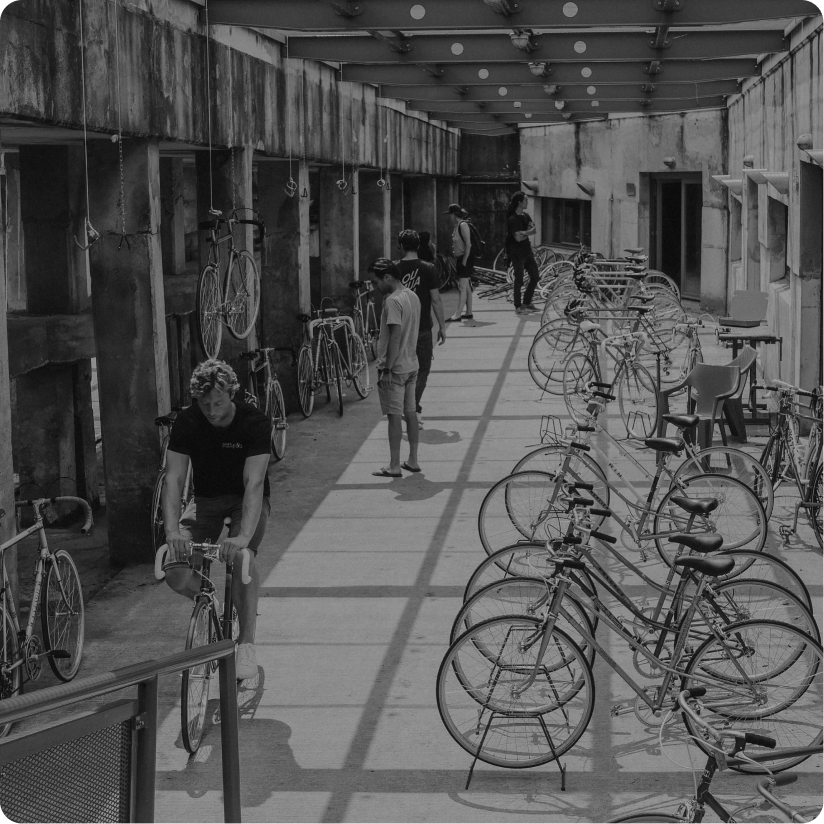


Working as a cycling tour guide is an innovative and exciting career path, closely in line with current trends in sustainable tourism and active mobility. This unique role brings together several passions: cycling, exploring a region and sharing knowledge. Cycling tour guides are true ambassadors for their regions, offering immersive, eco-friendly experiences that let visitors discover places in an active and authentic way. Far more than simply leading a group, the job calls for a wide range of technical, interpersonal and cultural skills. It offers the chance to work outdoors, meet people from all walks of life and showcase local heritage while staying physically active. With cycling infrastructure expanding and growing interest in responsible tourism, it is a promising and rewarding career.

Job description
A cycling tour guide is a passionate professional who combines a love of cycling and tourism to offer unique, eco-friendly discovery experiences. The job fits perfectly with the current trend for sustainable, responsible tourism, letting visitors explore places in an active and immersive way. The guide plans and leads bike tours adapted to different audiences and fitness levels, highlighting the local heritage, landscapes and cultural attractions along the way.
Skills required
Several skills are essential to succeed in this job. On the technical side, a cycling tour guide must be a highly skilled rider with a solid knowledge of bike mechanics, able to carry out minor repairs and handle the unexpected. Excellent physical fitness is a must to lead groups on varied routes.
People skills are just as crucial. The guide needs to be a good teacher, patient and personable to lead a group, manage group dynamics and meet each participant's expectations. Speaking several languages is a major asset, especially English to welcome international visitors.
In-depth knowledge of history, geography, local culture and the environment is also essential to provide rich, engaging commentary along the way. The ability to tell stories, share knowledge in a fun way and create a friendly atmosphere makes all the difference.
Training and qualifications
There are several training routes to becoming a cycling tour guide. In France, a two- or three-year higher education degree in tourism, regional development or outdoor sports is generally recommended. Specialised qualifications such as the BPJEPS (Brevet Professionnel de la Jeunesse, de l'Éducation Populaire et du Sport, a French state sports instructor diploma) with the "cycling activities" specialism provide complete professional preparation.
Additional certifications are valued, such as a cycling group leader licence, first aid certificates and bike mechanics qualifications. In-depth knowledge of a specific area, gained through local training or field experience, is also a competitive advantage.
Career development
A cycling tour guide has a range of career options. After a few years of experience, you can set up your own guided tour company, specialise in themed tours (wine tourism, historical heritage, nature) or develop consulting services in sustainable tourism.
Some guides move into coordination roles, join tourist offices or inbound travel agencies, or become trainers at specialist schools. Others diversify by offering route design, mapping or consulting services to local authorities.
Salary and job prospects
A cycling tour guide's pay varies with experience and type of employer. On average, a beginner can expect a net monthly salary of between €1,500 and €2,000. With experience and an established reputation, this income can rise significantly, especially for self-employed guides or those working in the private sector.
The cycle tourism market is growing steadily in France, driven by policies to develop cycling infrastructure and enthusiasm for active mobility. Regions such as Pays de la Loire, Burgundy, Alsace and Brittany offer particularly good job opportunities in this field.