

Rent rather than buy? Equipment rental is on the rise and has plenty more to prove. A sector that favours using goods over owning them is in tune with today's challenges.
Here are 4 good reasons to enter the equipment rental market:
1. A thriving economic sector 🌸
Rental is a fast-growing sector that keeps modernising.
According to Statista (2019), equipment rental market revenue rose from $31.4 billion to $39.6 billion, a growth rate of + 26% since 2013. Projections to 2024 show annual growth of around 5%.

This growth has created more than 38,000 net salaried jobs in France in 20 years, according to INSEE (the French national statistics institute). Rental of personal goods (machinery, specialised equipment) keeps growing faster than other sectors, such as the automotive sector, which is in decline.
2. A sector that withstands shocks 💥
Despite the negative impact of an economic and health crisis on tourism and leisure, the rental market seems to be less affected than others!
According to INSEE, household spending on rental of goods and services, personal and household goods remained stable after the 2008 financial crisis and reportedly continued to grow once the recovery began in 2009.
There are 2 closely linked reasons for this:
- Lower purchasing power: households lack the cash to buy equipment outright.
- Uncertainty: a reluctance to make costly investments in order to preserve cash in the face of economic insecurity (especially for B2B rentals), and a wish to adjust production capacity as needed.
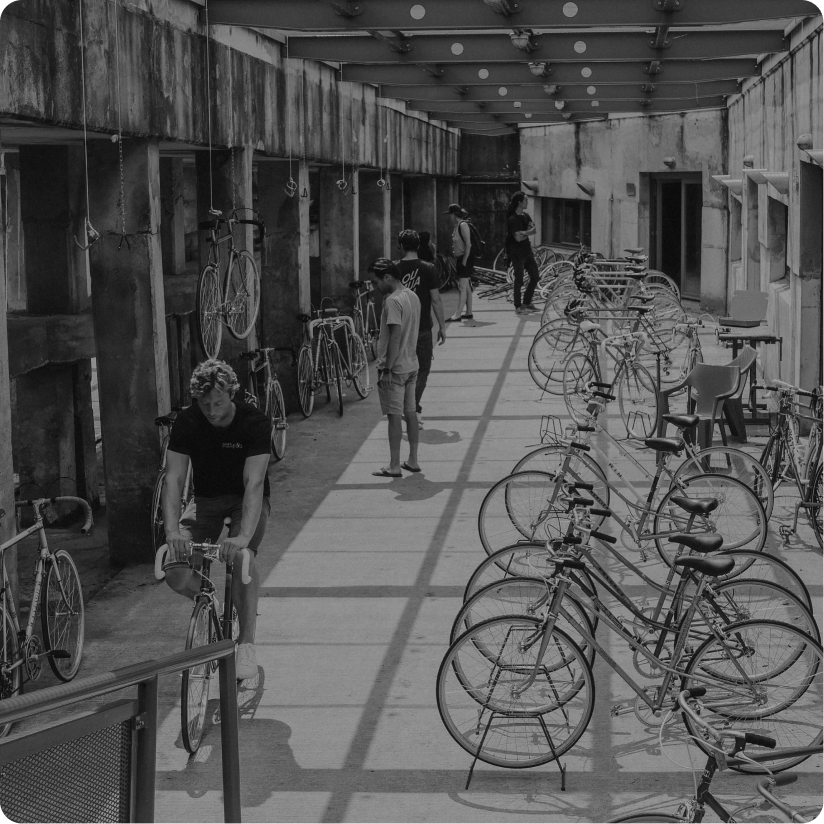
The good news: cycling seems to be the preferred option, and is even recommended by the French government, for getting around after lockdown, so that people can avoid public transport as much as possible for fear of catching Covid-19. Click here to find out more!
Everything suggests you have made the right choice! And the sector still has more surprises in store...
3. “Owning” is out of fashion! 😉
By offering an alternative to ownership and overconsumption, the rental sector promotes what is known as the “usage economy”. The goal: more restraint and more circularity in the way we consume.
More and more sectors are following this new trend: household appliances, consumer electronics, and even clothing (with clothing rental)! Many companies are innovating in their business model and choosing to keep ownership of their products by offering equipment rental.
One example is MICHELIN, a pioneer of this model, which now rents out its tyres based on the number of kilometres driven by hauliers; the manufacturer keeps ownership of its products while handling upkeep and maintenance for its customers.
Other business giants are now drawing on this model:
- World furniture leader IKEA is launching a furniture rental service
- FNAC (a major French electronics and books retailer) offers rental of high-tech products (smartphones, computers, tablets) for periods of 12 to 36 months. Enough to keep tech fans happy without breaking the bank!
These alternatives to the classic business model, namely “sell as many goods as possible to stay profitable”, are financially viable, but on one condition...
4. Durable, quality goods: a must ♻️
This usage economy is genuinely eco-responsible and profitable, provided that rental businesses and suppliers prioritise the durability of their products.
Michelin reportedly increased its margin by 60% by extending the life of its tyres, and hauliers saw the average annual cost fall by 36% since Michelin handles maintenance from A to Z.
The goods you choose must be good quality to ensure a longer life.
Beating the famous concept of “planned obsolescence”: that is quite a challenge. A durable product lets you spread its cost over a longer period. So it is up to rental businesses to look closely at the “life cycle” of their equipment!