

Getting the rental price of your equipment right can turn a simple activity into a profitable business, and it is important to estimate your rates accurately from the moment you launch your rental business. But working out your costs and building an effective pricing strategy is not always straightforward.
In this article, we look in detail at the economic basics of pricing, as well as some fresh approaches to improve your profitability. Find out how to set a competitive rental price and position yourself strategically in the market to maximise your revenue.
Understanding the costs of equipment rental
Before you start an equipment rental business, you need a clear picture of all the costs involved. Think of yourself as an explorer about to set off on an expedition: you need to know every detail of your gear to succeed! So put on your financial adventurer's hat and let's dive into the fascinating details of pricing rental equipment.
Define your fixed and variable costs
Let's start with the basics: fixed and variable costs. Fixed costs are like your expedition's base camp: they stay the same whatever adventures you go on. For equipment rental, they include:
- The initial purchase of the equipment
- Storage costs
- Insurance
- Marketing and advertising costs
Variable costs, on the other hand, change like the weather in the mountains. They include:
- Maintenance and repair costs
- Delivery costs (if you offer delivery)
- Commissions on sales (if you use third-party platforms)
Factor in equipment upkeep and maintenance

Maintenance is like looking after your hiking boots: neglect it and you will regret it! To calculate your rental costs properly, take into account:
- Regular servicing (for example, every 50 rental days)
- Cleaning after each rental
- Unexpected repairs (allow around 5% of the purchase price per year)
- Replacing wear parts
Remember that well-maintained equipment lasts longer and keeps your customers happier. It is an investment that pays off in the long run!
Estimate equipment depreciation

To price your equipment rentals correctly, you need to anticipate how it loses value over time. Here is a simple method:
- Estimate the equipment's lifespan (for example, 5 years for a mountain bike)
- Calculate the residual value (often 20% of the purchase price)
- Divide the difference between the purchase price and the residual value by the lifespan
Example: for a mountain bike bought for €1,000, with a residual value of €200 after 5 years, annual depreciation would be (€1,000 − €200) / 5 = €160 per year.
Build this depreciation into your rental price calculation to keep your business sustainable.

Analysing the market to position your prices
Now that you have your costs under control, it is time to explore the economic playing field around you.
Study the competition and their prices
Start by scouting the terrain:
- Identify your direct and indirect competitors
- Compare their offers and prices
- Spot their strengths and weaknesses
A valuable tool at this stage is a comparison grid. Note down prices, included options and rental terms. This will give you a clear overview of the competitive landscape.
Remember: your goal is not necessarily to be the cheapest, but to offer the best value for money for your target customers.
Understand your target customers' expectations and budget

To fine-tune your pricing strategy, do some investigating:
- Survey your potential customers
- Analyse online search trends
- Study comments and reviews on rental platforms
Create detailed personas of your typical customers. Picture their ideal day with your equipment. This will help you understand what they are willing to pay for that experience.
By understanding your customers' expectations and budget, you can adjust your prices to maximise both customer satisfaction and your profitability.

Calculation methods and pricing strategies
You now have the essential knowledge about costs and the market. Time to climb towards the peaks of strategic pricing! Let's look at the most effective methods for calculating the rental price of your equipment.
Use a cost-plus pricing model
The cost-plus model is the waymarked trail of pricing: simple and reliable. Here is how it works:
- Calculate the total cost per rental day (including depreciation, maintenance, etc.)
- Add your target margin (usually between 20% and 50%)
Example:
- Daily cost of a kayak: €10
- Target margin: 30%
- Rental price = €10 + (€10 x 30%) = €13 per day
This method ensures consistent profitability but can lack flexibility when the market shifts.

Apply dynamic pricing based on seasonality and demand
Dynamic pricing is like adapting your gear to the weather: it gets the best performance out of it! This strategy means adjusting your prices according to demand and season.
For example:
- Raise your rates by 20% during school holidays
- Offer midweek discounts in low season
- Add a surcharge for last-minute bookings in high season
The key is to be transparent with customers about price changes.
Offer flexible pricing options for different rental durations
Flexibility is the secret to handling any terrain! Offer different duration options to meet your customers' varied needs:
- Hourly rates for short use
- Day packages for longer outings
- Sliding rates for multi-day rentals
Do not forget to include options that add value, such as extra insurance or a delivery service. These extras can significantly increase your average basket.
Making your equipment rental more profitable
Track revenue and costs closely
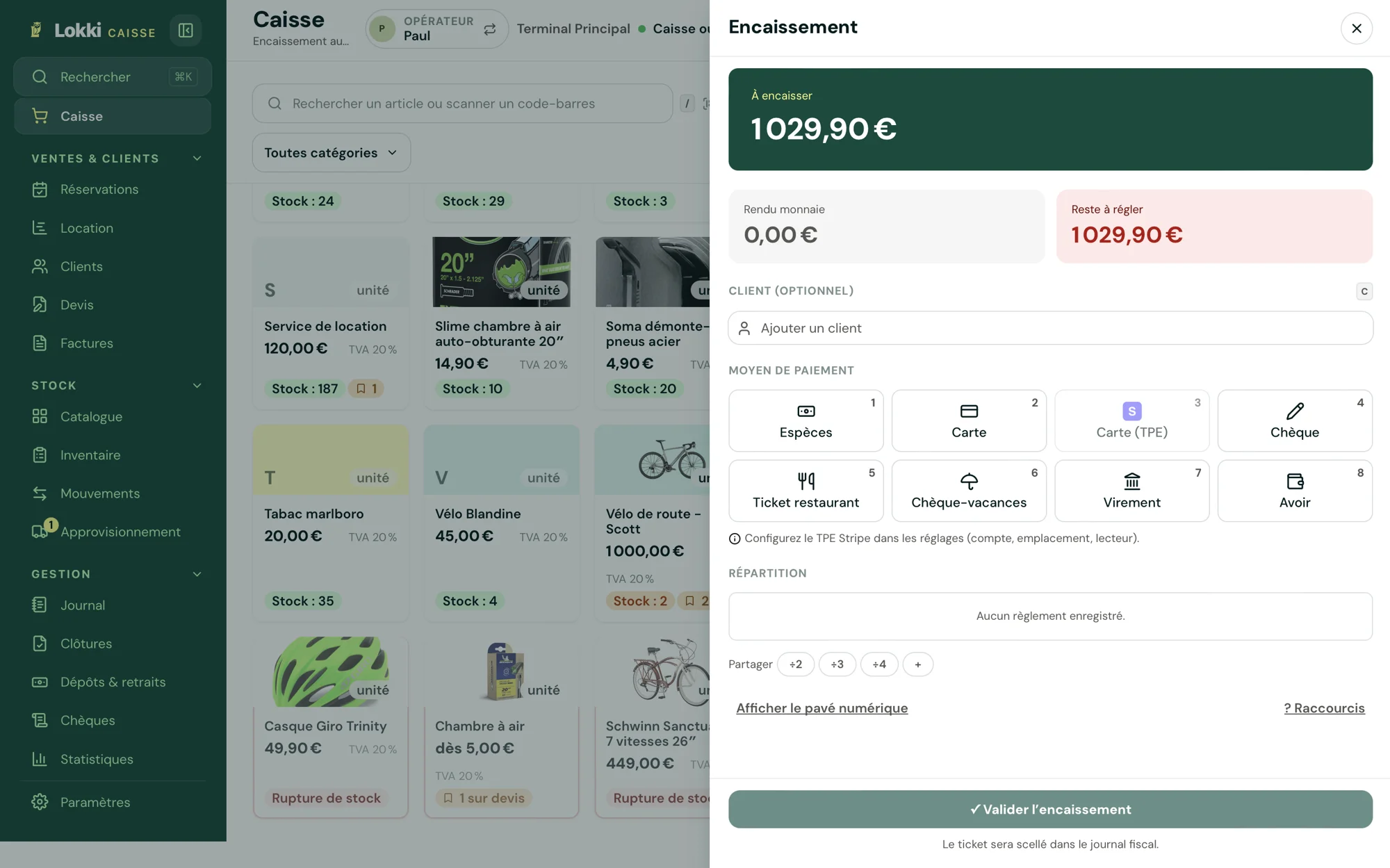
- Use rental management software such as Lokki
- Track each item individually to know how profitable it is
- Regularly analyse your key indicators: utilisation rate, revenue per item, cost per rental
Set yourself monthly targets and compare them with your actual results. This will let you adjust your strategy quickly if needed.

Adapt your rental strategy based on feedback and market trends
Listening and adapting is the key to surviving in the jungle of the rental market! Here is how:
- Systematically collect feedback from your customers
- Keep an eye on new trends in your sector (new activities, technological innovations)
- Be ready to adjust your offer and prices accordingly
For example, if you notice growing demand for greener equipment, consider investing in more sustainable gear and adjust your prices to reflect that added value.
By applying these strategies and keeping your ear to the market, you will be well equipped to price your equipment rentals in the best possible way. Remember, as in any great adventure, the key to success lies in preparation, adaptation and perseverance.
You are now ready to calculate the rental price of your equipment with precision and strategy. You have a clear overview of costs, the market and pricing methods. Remember that success in equipment rental depends on a fine balance between profitability and customer satisfaction.
By applying what you have learned, from cost analysis to dynamic pricing, you will be able to fine-tune your rates, like a captain skilfully steering clear of the market's reefs. Listen to your customers, adapt to trends, and do not hesitate to innovate in your offers. Remember that pricing equipment rentals is an ongoing process.