

Introduction
Entrepreneurship is calling. It's 2024 and you're seriously thinking about diving into the fascinating world of equipment rental, for all the reasons we've already repeated 150 times: an emerging solution, pressure on raw materials, soaring inflation. In short, congratulations on your choice, you're absolutely right! That said, now you have to actually do it... And since equipment rental is a fast-growing market, you need to know the challenges ahead and have all the solutions to hand. In this article, we break down every challenge you'll face and, above all, give you practical solutions. All of it spiced up with smart tips from Coach Lokki, who is even stronger than Coach Joe. And more muscular.

Challenge 1: Build a rock-solid business plan for your rental company
For any entrepreneur starting an equipment rental company, writing a business plan is an unavoidable (and painful?) step. This strategic document acts as a compass, guiding every aspect of your business project, from market analysis to setting prices. By detailing your plan carefully, you clarify the vision for your rental business, whether you rent event equipment, industrial machinery or other goods. This research and planning process helps you not only understand in depth the market and the needs of your potential customers, but also structure your services to meet those needs effectively. A well-designed business plan shows the feasibility of your company, details your marketing strategies and forecasts the costs and prices associated with your equipment. In short, it is the cornerstone of successfully creating and running your rental company, giving your entrepreneurial ambitions a solid foundation.
Solutions:
1. Understand the market: Before launching your rental company, thorough market research is essential. According to an IBISWorld study (2023), the equipment rental market is growing steadily, which suggests huge potential for new entrants.
2. Choose the right equipment: Whether it's party gear or industrial equipment, selecting the right products is crucial. Analyse current trends and anticipate the future needs of your potential customers.
3. Plan your finances: A financial forecast is essential. According to Forbes (2023), companies that plan their finances carefully are 30% more likely to succeed.
4. Marketing strategy: Develop a targeted marketing plan. Use social media and SEO, and consider strategic partnerships.
🌟 Coach Lokki's tip:
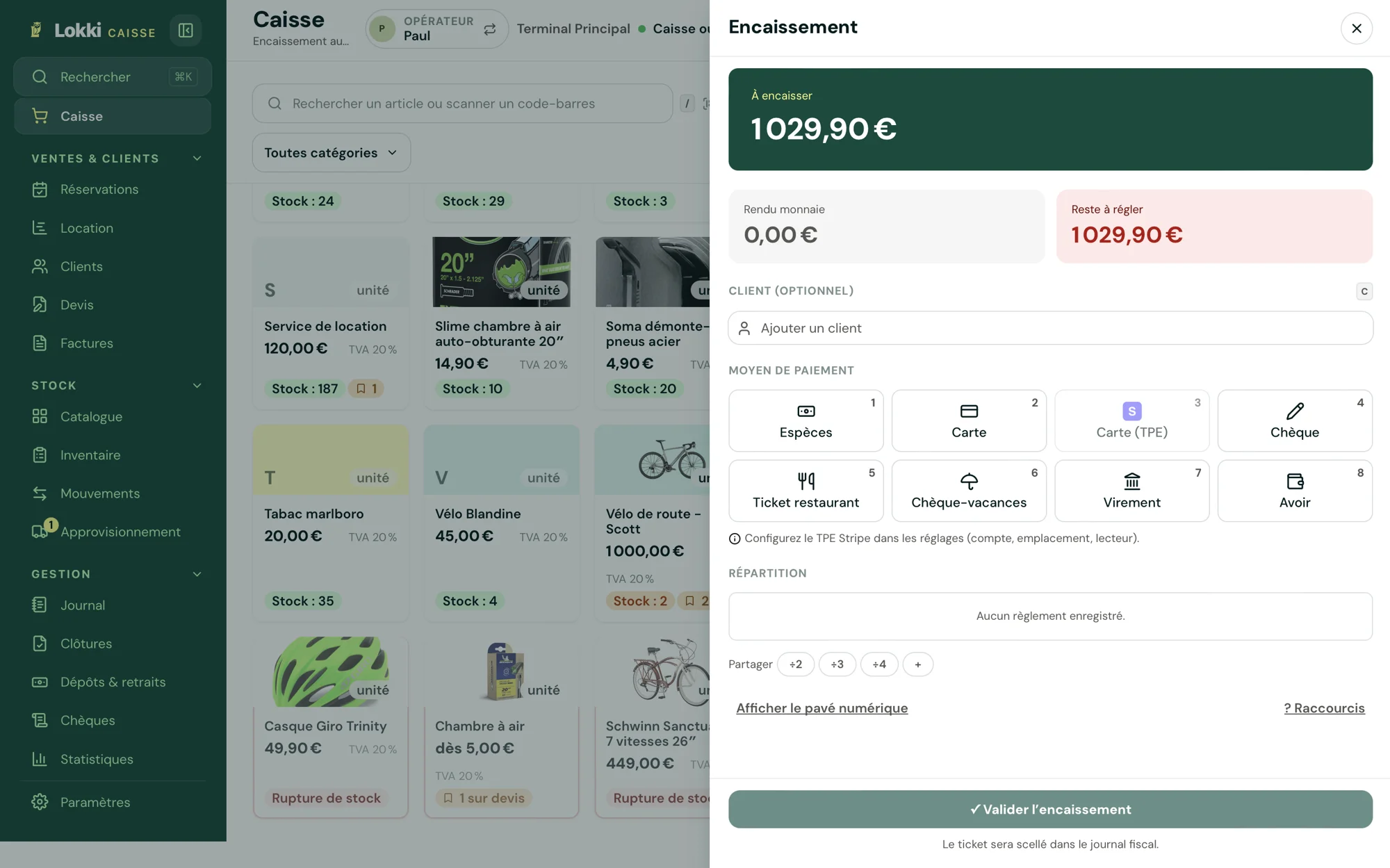
Don't forget to consider specialised software like Lokki to manage your inventory and bookings efficiently. A good tool can make the difference between mediocre and outstanding customer service. Just saying... 😇

Challenge 2: Build an engaged (and happy) customer base
In the dynamic equipment rental sector, attracting and keeping customers is a major challenge. One of the main obstacles is truly understanding customers' changing needs and expectations. In the digital age, when there are many options just a click away, customers have high expectations in terms of service quality, flexibility and personalised offers. Increased competition also forces rental companies to keep innovating, not only in their equipment and services but also in their marketing approach, to capture the attention of their target audience. Another critical aspect is customer loyalty: attracting customers is not enough; you also have to keep them. That means creating an outstanding customer experience, from the first contact to after-sales service, with smooth, user-friendly rental processes. Companies also need to stay proactive in their communication, keeping an ongoing dialogue with customers to collect feedback and adapt their offers accordingly. Ultimately, the key to meeting these challenges is a combination of listening closely to the market, constant innovation and a deep commitment to customer satisfaction.
Solutions:
1. Identify your target audience: Understand who your customers are: companies, freelancers, event organisers? Each segment has its own needs.
2. Offer tailored services: Provide flexible rental options to meet your customers' specific needs. For example, packages for events or decreasing rates for long-term rentals.
3. Customer engagement: Build loyalty with excellent customer service. Use satisfaction surveys and adapt your services based on the feedback.
4. Targeted marketing: Use personalised marketing campaigns to reach your target audience. Studies show that personalised marketing can increase revenue by up to 20% (MarketingDive, 2023).
🌟 Coach Lokki's tip:
Add customer testimonials to your website and social media. Positive reviews are a powerful marketing tool.

Challenge 3: Stand out in a competitive market
In the booming equipment rental sector, standing out is crucial to a company's success and long-term survival. Whether you rent equipment to businesses or for parties and events, every player in the market needs a unique business plan that reflects its vision, identity and goals. Market research is a fundamental step in creating any rental company: it helps you understand current trends and the needs of your target audience, and also identify untapped niches. A company that manages to stand out in the equipment rental market, whether through an innovative business plan, a unique party equipment rental offer or a tailor-made approach for businesses, is well placed to grow its revenue and strengthen its position. In short, building a successful rental company relies on a solid business plan, a thorough understanding of the rental market and the ability to respond flexibly and creatively to customers' constantly changing needs. Bear in mind that you will then need to promote this offer with the right marketing tools.
Solutions:
1. Offer added value: Provide something your competitors don't. It could be outstanding customer service, unique equipment or competitive prices.
2. Strategic partnerships: Work with other businesses to extend your reach. For example, partnerships with event organisers or franchises can open up new opportunities.
3. Follow trends: Keep an eye on the latest market trends so you can adapt your offer quickly.
4. Use technology: Invest in advanced technology to improve efficiency and the customer experience. Inventory management systems like Lokki can help you optimise your operations.
🌟 Coach Lokki's tip:
Focus on sustainability. Customers are increasingly aware of the environmental impact of their choices. Offering eco-friendly equipment can be a real advantage.

Conclusion
By following these tips and using the resources available, such as Lokki (pure coincidence, of course), you can build a thriving equipment rental business. Remember, the key to success lies in good planning, a solid understanding of the market and flawless customer service.
A short to-do list to get started without tearing your hair out:
- Carry out thorough market research.
- Write a detailed business plan.
- Choose the equipment you rent out wisely.
- Develop an effective marketing strategy.
- Set up excellent customer service.
- Invest in the right technology.